
Selecting an emergency radio is not a matter of choosing the cheapest option; it is an investment in security. Trustworthy information comes from established brands with a history of reliability, especially those utilized by emergency professionals.
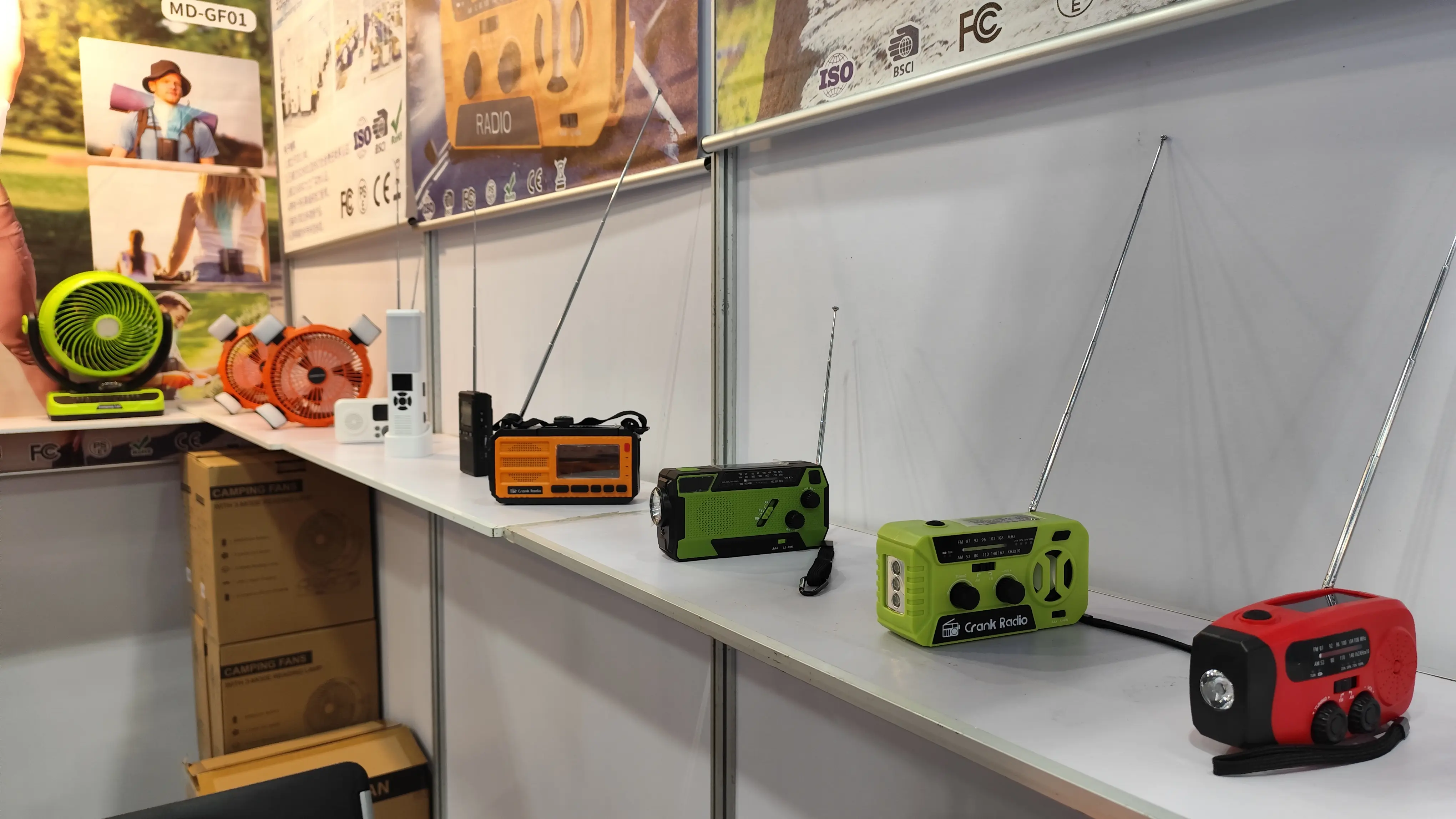
- Prioritize NOAA/AM/FM Functionality: Ensure the radio has clear, high-sensitivity reception across the AM/FM and all seven NOAA channels. A good antenna is non-negotiable.
- Evaluate Power Performance: Test or research the performance of the hand-crank and solar charger. A leading model, the Midland ER310 E+Ready®, was highlighted in 2024 for its multiple power options and additional features.
- Check for NWEM Compatibility: Ensure the radio can receive Non-Weather Emergency Messages (NWEMs). These alerts, which cover hazards like civil emergencies, amber alerts, and 911 outages, are crucial and are transmitted via NOAA Weather Radio through IPAWS.
- Analyze Battery Life: Review professional tests of battery life. A highly efficient radio should be able to run for several hours, if not days, on a fully charged internal battery at a moderate volume.
-
| Feature Check |
Rationale for E-E-A-T Selection |
| S.A.M.E. Alerting |
Ensures relevance and prevents alert fatigue, increasing preparedness efficiency. |
| Three+ Power Sources |
Provides redundancy (Trustworthiness) against prolonged, multi-day outages. |
| USB Power Output |
Increases the radio's utility and experience by charging essential mobile devices. |
| AM/FM Bands |
Ensures access to local news updates and broader regional context from stations with emergency power backups. |
| Reputable Brand |
Proven quality, durability, and better post-purchase support (Authority and Trust). |



